Gert Löhmer
In economically challenging times, mid-market companies need strong partners with a clear view and the strength to deliver operationally. Interim managers like Gert Löhmer, Dipl.-Ing., of GL Consulting & Interim don't just help machinery and industrial companies out of crisis — they transform them for the long term. But what does interim management actually mean? And what does a convincing path to operational restructuring look like?
Mid-market industry is currently under heavy pressure. Transformation pressures such as digitalization and the shortage of skilled workers meet volatile markets in an uncertain geopolitical environment — supply chains are unstable, and many leadership teams are overstretched. Business owners, meanwhile, want stability, growth, and clarity — but often lack the capacity to navigate acute crises in a structured, targeted way. The result? Operational paralysis, ad hoc measures, and strategic standstill. “Acute crises don't happen overnight, they grow. There are different types and stages of crisis, and action is often only taken far too late — when I have a severe revenue crisis and I'm heading toward a liquidity crisis, it no longer feels like a crisis, it feels like a catastrophe,” warns Gert Löhmer, Dipl.-Ing., founder of GL Consulting & Interim.
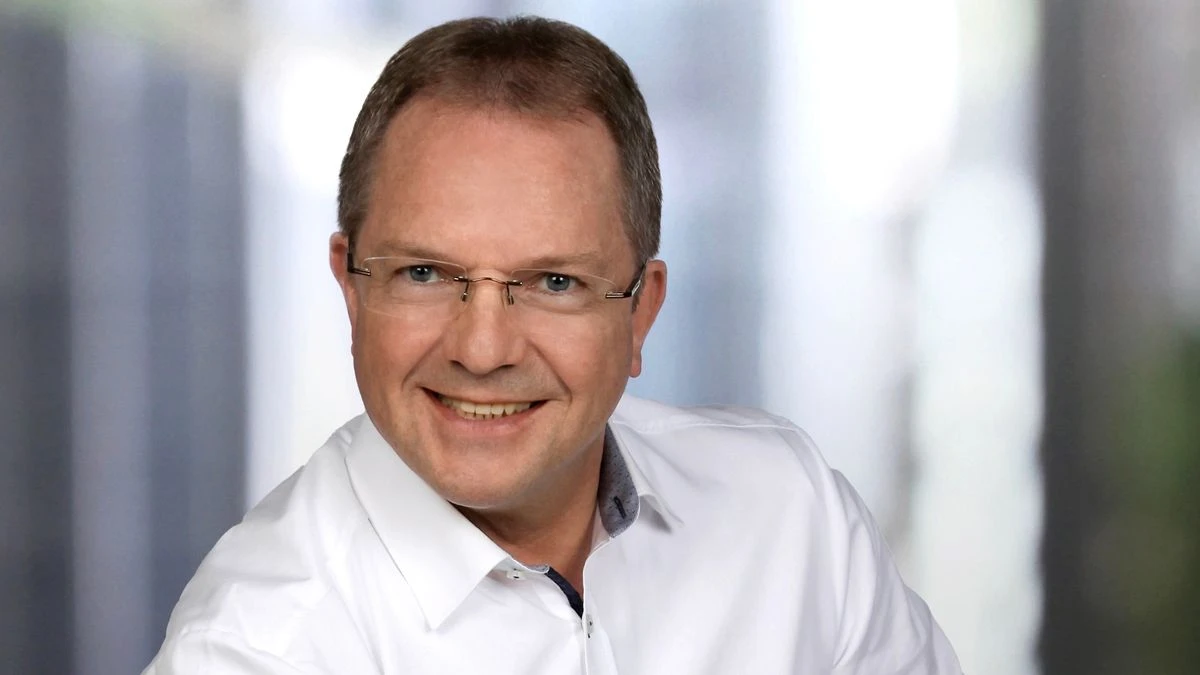
This is exactly where interim management comes in — not as theoretical consulting, but as hands-on leadership for a defined period. As a former naval officer and experienced managing director in industry, Gert Löhmer brings over 14 years of crisis expertise. His specialty: operational restructuring in machinery and plant engineering. “I've been in the machinery and plant engineering industry for more than 32 years. First in line management, then as a consultant, and since 2017 as an interim manager. That means I no longer just advise. I go into the company and help management put out the many fires as quickly as possible,” Löhmer explains his role. His approach is built on deep analysis, fast clarity on what to do, and direct execution. The overarching goal: setting the mid-market up for the future through transformation. Find out how this works for any company in three decisive steps here.
Too many companies wait too long. They only bring in outside help once banks demand a restructuring report or liquidity becomes critical. Yet interim management delivers its full value before the collapse. Those who act early can not only rescue the business, but actively shape it: sharpening strategy, optimizing structures, and taking weight off leaders' shoulders.
Many companies still rely on traditional management consulting in a crisis. That works perfectly when it comes to pure strategy questions. But when it comes to day-to-day operations, interim management has clear advantages. The key difference: interim managers like Gert Löhmer take on direct operational responsibility — they work inside the company, not just on the company.
At the same time, like a consultant, they bring a neutral view, free of internal blind spots. This lets them create structure amid chaos, communicate clearly, and prioritize consistently. This closeness to reality makes them genuine enablers of transformation — not only in a crisis, but also during major transformation processes and leadership-level staffing gaps.
Gert Löhmer's team at GL Consulting & Interim follows a proven transformation logic that begins with thorough diagnostics: the first step is analysis and root-cause investigation. After all, only once you know the causes of a crisis can you resolve it sustainably. This is followed by repositioning and a clear definition of the goal and the path to get there. A key factor in implementation is cultural change within the company and at the leadership level. This especially includes training and developing leaders so they understand, implement, and support the change — and, not least, communicate it appropriately.
At the same time, the more technical step of innovation and digitalization takes place, introducing new technologies and automating processes. Finally, the transformation must be clearly communicated both internally and externally — because only this way does it truly take hold. Throughout the entire process, the interim manager is actively involved not only in defining goals and measures, but also in implementing them — taking significant weight off company leadership.

Interim management is therefore by no means a luxury, but in many cases the smartest and most economical decision when a company is heading toward a crisis or facing transformation. Unlike consulting, which often works in a purely strategic, metrics-driven way, interim management combines emotional intelligence with logistical precision, operational strength with strategic foresight. Gert Löhmer and his team offer exactly that — not as consultants, but as leadership partners for a defined period.
Want to find out how your company can benefit from an experienced interim manager? Then schedule a no-obligation initial conversation with Gert Löhmer now and put your company back on the road to success!