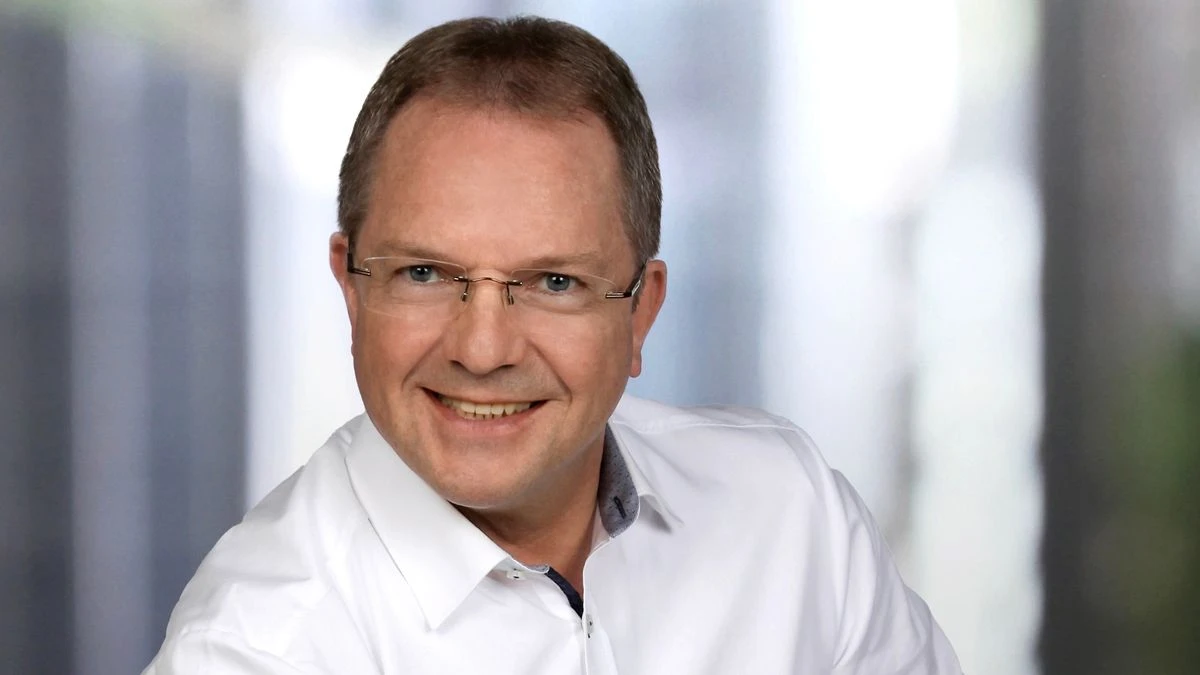
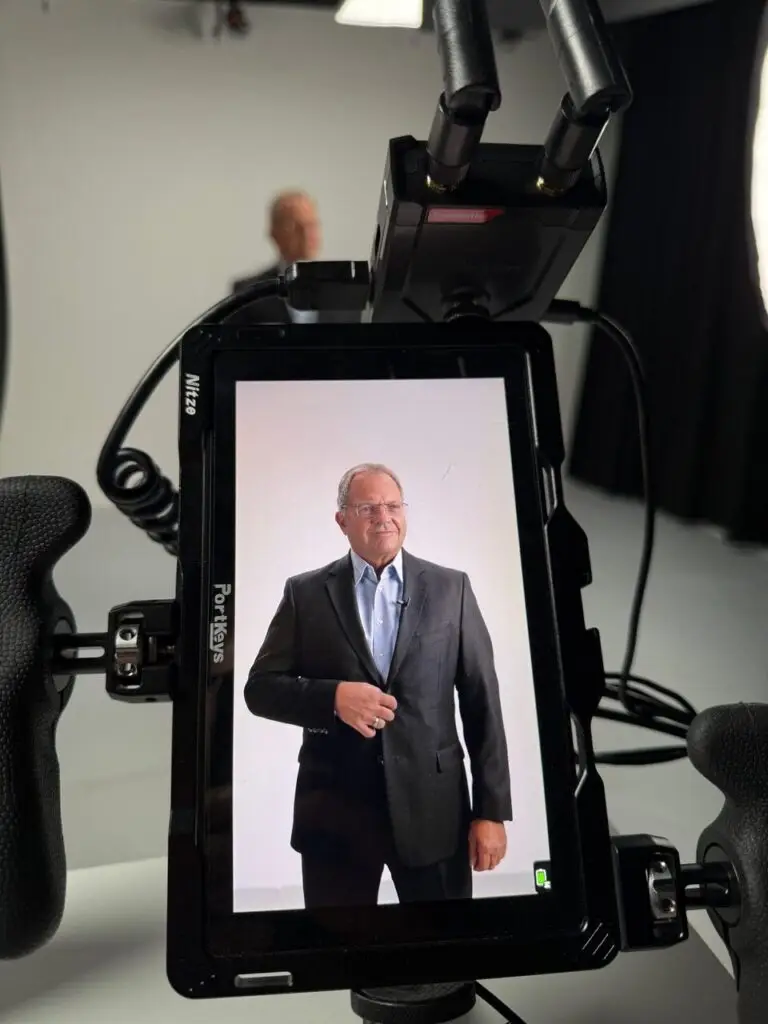
Gert E. Löhmer is a Senior Interim Executive and crisis manager specializing in the operational rescue and strategic repositioning of mid-market machinery and plant engineering companies.
As a graduate mechanical engineer (Dipl.-Ing.), published author with 33 years of industry experience, and former CEO, he brings the technical and operational know-how needed to grasp restructuring concepts holistically and make the necessary cause-based decisions — unlike purely symptom-based approaches or concepts that lack operational depth.
His expertise lies in the dynamics of execution and decisive action, restoring profitability to struggling companies under time and liquidity pressure — and, where needed, repositioning their business model to secure their future.
Drawing on decades of leadership experience, including service as a naval officer and commanding officer in critical situations, he places the utmost importance on leadership and clear, honest communication, building trust within the workforce and easing fears.
He acts as the “conductor” of the transformation, equipping the first and second levels of leadership with crisis-readiness, to ensure that the changes implemented have a lasting effect and the company emerges from the crisis stronger.
His motivation is an absolute will to instill a sense of success and renewed confidence in a previously unsettled workforce and management team, rebuilding trust in a future-proof business model.
Gert is also interested in classic American cars from the '60s and '70s. But his true passion in private life is clearly his five grandchildren.
Gert! Thank you for answering our questions!
In your experience, what's the biggest mistake mid-market companies make in a crisis?
I keep seeing companies wait far too long. Passivity is the most expensive mistake in a crisis. Anyone who waits loses room to maneuver, time, and trust. That's why I strongly recommend early, decisive intervention — before a crisis turns into a question of survival.
How does your approach differ from traditional restructuring consultants?
I don't come from a textbook — I come from production, sales, engineering, and operational responsibility. As a graduate mechanical engineer, I understand products, processes, and value creation in depth. While others interpret numbers, I tackle root causes. That's exactly what makes the difference between short-term relief and genuine recovery.
What role do you take on as an interim CRO or CEO in a crisis?
I don't advise from the outside — I take on responsibility. As an interim CRO or CEO, I go into the company, make decisions, and follow through on them consistently. When things get uncomfortable, I stay. When clarity is needed, I provide it. Companies bring me in when they need someone who acts.
What alternative do you offer to the IDW S6 report?
By the time an IDW S6 report is required, it's often already quite late. I act earlier and more decisively. With my “S6 light” approach, I create fast transparency, stability, and the ability to act — pragmatic, execution-focused, and without unnecessary bureaucracy. That saves time, money, and entrepreneurial freedom.
What's the first operational lever that quickly creates liquidity and trust?
I focus immediately on effective quick wins. One of the strongest levers is consistently reducing the cost of complaints and late deliveries. They eat up liquidity, destroy margins, and demotivate organizations. Anyone who tackles this improves results, morale, and credibility in a very short time.
How do you ensure the company's long-term future viability?
I don't just work on the crisis — I work on the company after the crisis. To do this, I define a clear vision and develop a resilient strategy from it. Processes, market responsiveness, and resilience are at the center of this — so the company doesn't just survive, but becomes competitive again.
How do you manage risk in purchasing and the supply chain?
I don't rely on fragile supply chains. Instead of short-term price optimization, I focus on robustness, alternatives, and clear risk assessment. Consignment models, strategic partnerships, and deliberate make-or-buy decisions secure both delivery capability and know-how.
Where do you see the greatest untapped revenue potential?
For me, the after-sales and spare-parts business is one of the biggest levers in machinery and plant engineering. High margins, stable revenue — yet often barely developed strategically. I help companies structure this business professionally, price it competitively, and scale it up.
How do you build trust and productivity in a crisis?
I create clarity — and clarity creates trust. People follow when they understand where things are headed and why. I address problems openly, take fears seriously, and provide direction. For me, leadership in a crisis means: being present, making decisions, and taking responsibility.
How do you make change succeed despite resistance?
Change doesn't work against people — only with them. I actively involve leaders and employees and draw on their knowledge. When people get to help shape change, they support it. That's how motivation is created — not through pressure, but through purpose and participation. Out of trust, appreciation, and respect, people grow, moving from employees to active co-thinkers.
What leadership deficits do you observe in times of crisis?
I often see fear of making decisions, avoidance of conflict, weak communication, and a lack of self-leadership. But leadership begins with inner clarity. My principle is clear: anyone who wants to lead must take responsibility — for decisions and for people.
How does your time as a naval officer shape your leadership style?
My time as a naval officer taught me to remain capable of action and composed under pressure. Leadership isn't shown in comfort, but in real emergencies. I bring that same clarity, decisiveness, and willingness to take responsibility into corporate crisis situations today.
How do you measure the success of your mandates?
For me, a mandate is successful when the company is able to act again — when processes work, leadership takes hold, and confidence returns. Numbers matter — but lasting stability is created in the daily actions of the organization.
What value do you create beyond the mandate itself?
I don't leave dependency behind — I leave strength. I develop leaders into true leadership personalities who can keep deciding, leading, and taking responsibility long after my engagement ends. That's a lasting impact.
What is your core mission?
My mission is clear: stabilize companies in critical situations, reposition them, and make them future-proof. My message to shareholders and managing directors is: don't wait. Use the crisis as a turning point. With clarity, courage, and consistent execution, pressure turns back into direction.
Thank you, Gert, for sharing your expertise! Really fascinating!